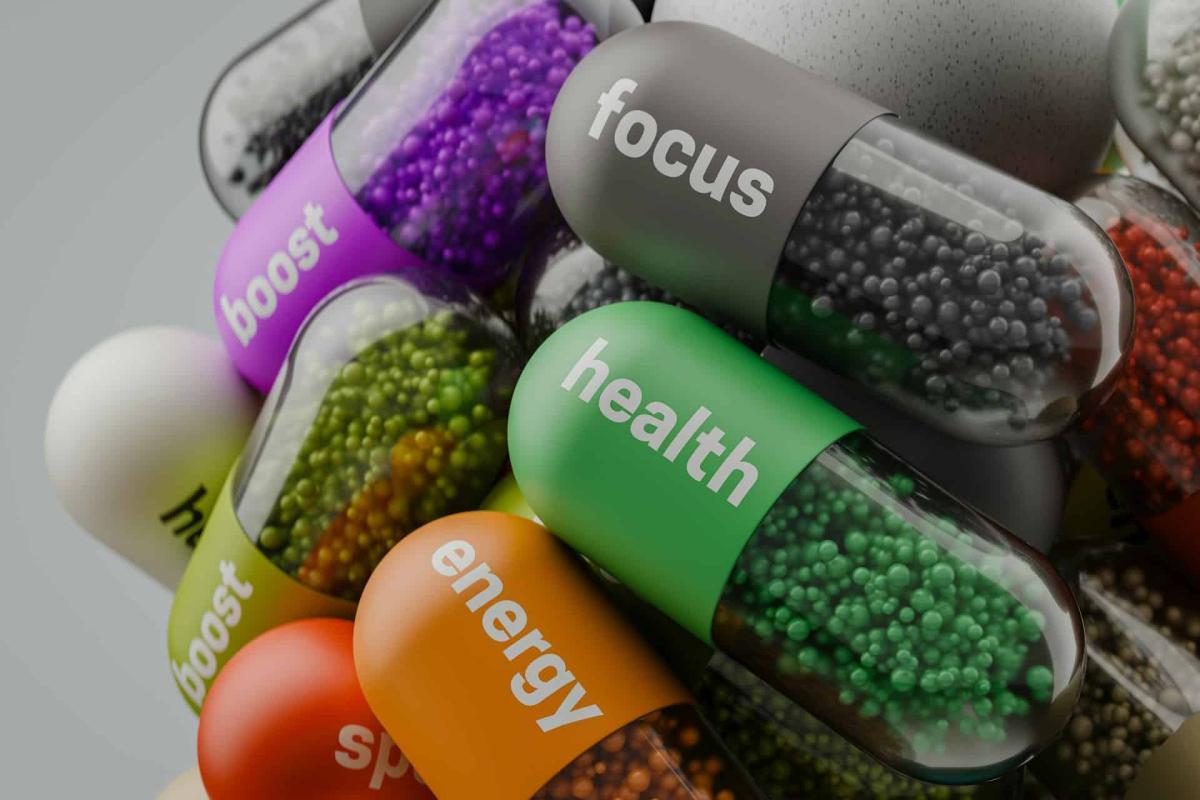
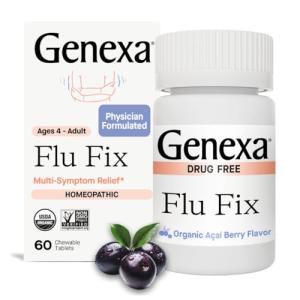
How to Read Supplement Labels – What to Look For and AvoidReading a supplement label correctly is one of the most important skills you can develop when buying vitamins and supplements. Many people focus only on the attractive claims on the front of the bottle, but the real information that matters is on the back — in the Supplement Facts panel and the full ingredient list.In this comprehensive buyer’s guide, we’ll walk you through exactly how to read supplement labels step by step. You’ll learn what information is most important, which details to pay special attention to, common red flags to avoid, and practical tips to help you choose higher-quality supplements that actually deliver value for your money.Why Learning to Read Supplement Labels Is EssentialThe supplement industry is highly competitive, and manufacturers often use bold marketing claims on the front label to catch your attention. Terms like “Maximum Strength,” “Clinically Proven,” or “Doctor Recommended” can sound impressive, but they are often not strictly regulated. The true quality and value of a supplement are revealed in the small print on the Supplement Facts panel and the ingredient list.Being able to read labels properly helps you:
Always start here. The serving size tells you how much you need to take to receive the amounts listed below it. For example, it might say “Serving Size: 2 Capsules” or “Serving Size: 1 Packet.” If you only take one capsule but the label is based on two, you’re only getting half the listed nutrients.2. Servings Per Container
This tells you how many days the bottle will last at the recommended dose.3. Amount Per Serving
This shows the actual quantity of each vitamin or mineral.4. % Daily Value (%DV)
This percentage shows how much of the recommended daily amount the serving provides.Understanding Nutrient FormsOne of the most critical details is the specific form of each nutrient:
Nature Made Vitamin D3 2,000 IU Softgels (use your actual product URL if different).How Label Reading Connects to Other Guides
The information in this buyer’s guide is for educational purposes only. It is not intended to diagnose, treat, cure, or prevent any disease. Always consult a qualified healthcare provider before starting any supplement.Ready to Shop with Confidence?
Browse our Multivitamins & Minerals category.
- Avoid wasting money on under-dosed or low-quality products
- Prevent taking too much or too little of certain nutrients
- Spot unnecessary fillers, artificial additives, or misleading formulations
- Make informed choices that match your specific health needs
Always start here. The serving size tells you how much you need to take to receive the amounts listed below it. For example, it might say “Serving Size: 2 Capsules” or “Serving Size: 1 Packet.” If you only take one capsule but the label is based on two, you’re only getting half the listed nutrients.2. Servings Per Container
This tells you how many days the bottle will last at the recommended dose.3. Amount Per Serving
This shows the actual quantity of each vitamin or mineral.4. % Daily Value (%DV)
This percentage shows how much of the recommended daily amount the serving provides.Understanding Nutrient FormsOne of the most critical details is the specific form of each nutrient:
- Vitamin D: Prefer Vitamin D3 (cholecalciferol). See our guide: Vitamin D Supplements: Benefits, Dosage, and How to Choose the Right One .
- Vitamin B12: Methylcobalamin is usually better absorbed. See our guide: Vitamin B12 Supplements Guide – Methylcobalamin vs Cyanocobalamin
- Calcium: Calcium citrate is often better tolerated. See our guide: How to Choose the Best Calcium Supplements .
- Vitamin C: Look for buffered or natural forms. See our guide: Best Vitamin C Supplements for Immune Support .
Nature Made Vitamin D3 2,000 IU Softgels (use your actual product URL if different).How Label Reading Connects to Other Guides
- Vitamin D Supplements: Benefits, Dosage, and How to Choose the Right One
- Vitamin B12 Supplements Guide – Methylcobalamin vs Cyanocobalamin
The information in this buyer’s guide is for educational purposes only. It is not intended to diagnose, treat, cure, or prevent any disease. Always consult a qualified healthcare provider before starting any supplement.Ready to Shop with Confidence?
Browse our Multivitamins & Minerals category.