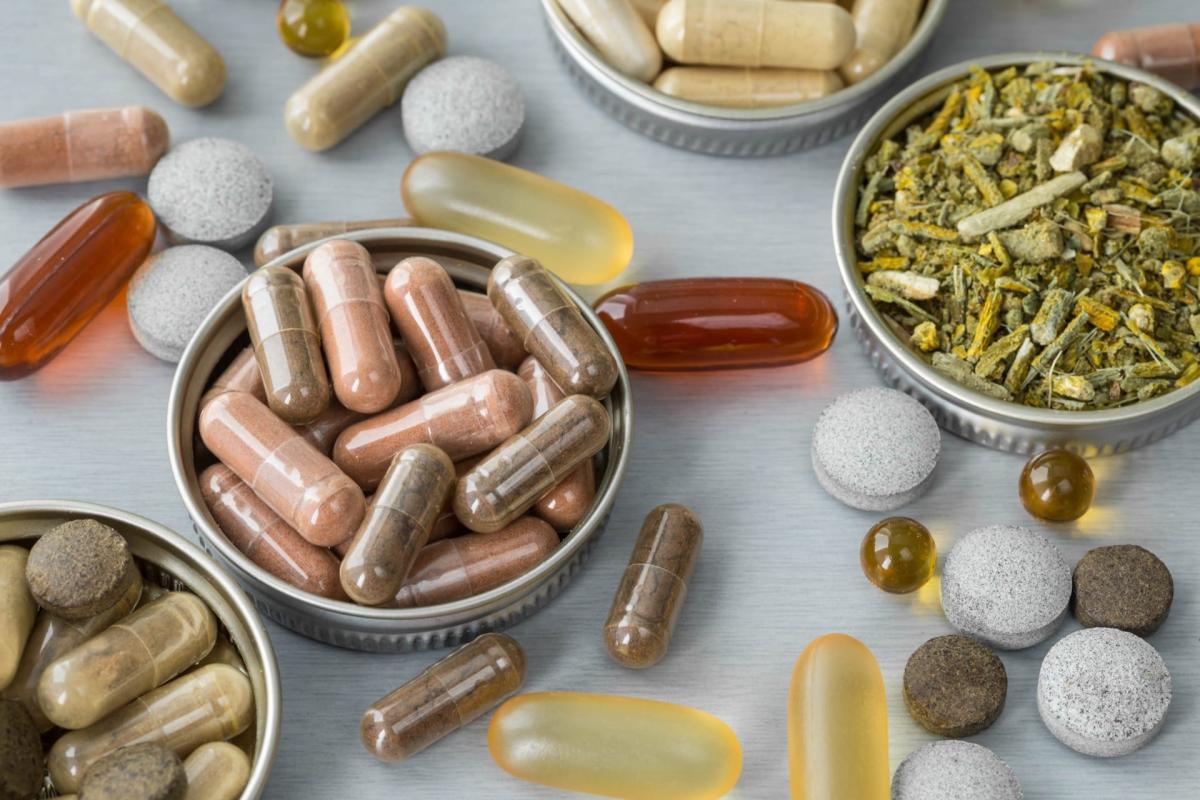
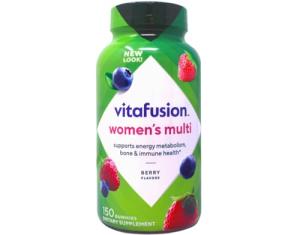
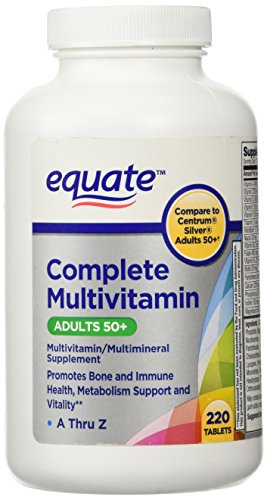
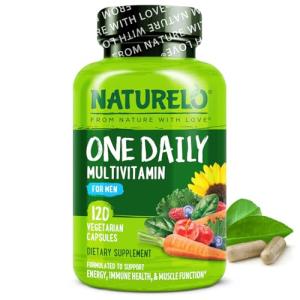
Best Multivitamins for Adults in 2026 – Complete Buyer’s GuideChoosing the right multivitamin in 2026 can feel overwhelming. With thousands of options available — from basic daily formulas to premium blends with added probiotics or adaptogens — how do you know which one actually delivers value for your health and budget?At Big Vitamin Store, we carefully curate products to help you find the best deals on quality supplements. This comprehensive buyer’s guide breaks down everything you need to know about multivitamins for adults, including key nutrients, who benefits most, different formats, how to compare options, and practical tips for making a smart choice.Why Consider a Daily Multivitamin in 2026?
Modern lifestyles often make it difficult to get all essential nutrients from food alone. Factors like busy schedules, processed foods, soil nutrient depletion, and dietary preferences (such as vegan or vegetarian diets) can create gaps.A well-chosen multivitamin can help support:
Look for formulas that provide balanced amounts of these core vitamins and minerals:
Follow these practical steps:
A multivitamin is ideal as a “safety net” for general wellness. However, if you have a specific deficiency (confirmed by blood tests), targeted single supplements (like standalone Vitamin B12 or Vitamin D) may be more effective and cost-efficient.For example, someone with low energy might benefit more from a high-potency B-complex than a basic multivitamin.Our Top Multivitamin Recommendations for Best Value
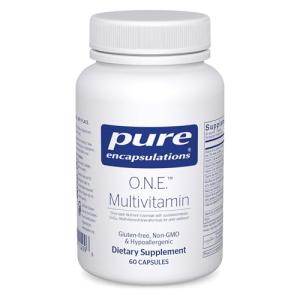
We’ve hand-selected options that offer strong nutritional profiles at competitive prices. Check out our Daily All-in-One Multivitamin collection and the full Multivitamins & Minerals category for current deals from trusted retailers like Amazon and others.If you follow a plant-based diet, explore our guide on Essential Vitamins and Supplements for Vegans (link-to-future-article) for tailored advice.Health Disclaimer
The information in this buyer’s guide is for educational and informational purposes only. It is not intended to diagnose, treat, cure, or prevent any disease or medical condition. Vitamins and supplements are not a substitute for a balanced diet or professional medical advice. Always consult with a qualified healthcare provider before starting any new supplement regimen, especially if you are pregnant, nursing, have a medical condition, or take medications. Individual results may vary.Ready to Support Your Daily Wellness?
Browse our carefully curated selection of multivitamins and start filling nutritional gaps with confidence. We focus on linking you to the best current deals so you get maximum value without compromise.
Modern lifestyles often make it difficult to get all essential nutrients from food alone. Factors like busy schedules, processed foods, soil nutrient depletion, and dietary preferences (such as vegan or vegetarian diets) can create gaps.A well-chosen multivitamin can help support:
- Sustained daily energy levels
- Immune system function
- Heart, brain, and bone health
- Overall nutritional balance
Look for formulas that provide balanced amounts of these core vitamins and minerals:
- Vitamin D3: Crucial for calcium absorption, immune support, and mood regulation. Many adults are deficient, especially in winter or with limited sun exposure.
- B Vitamins (B6, B12, Folate, etc.): Support energy metabolism, red blood cell production, and nervous system health. B12 is particularly important for vegans and older adults.
- Vitamin C: A powerful antioxidant that aids immune defense and collagen production.
- Vitamin A: Supports vision, immune function, and skin health (look for beta-carotene forms for safety).
- Vitamin E and Selenium: Help protect cells from oxidative stress.
- Minerals like Calcium, Magnesium, and Zinc: Essential for bone strength, muscle function, and immune response.
- Optional Add-Ins: Some premium formulas include probiotics, omega-3s, or adaptogens like ashwagandha for extra benefits.
Follow these practical steps:
- Assess Your Personal Needs
- Men vs Women: Women’s formulas often include more iron; men’s may focus on prostate support.
- Age: Seniors may need higher Vitamin D and B12.
- Diet: Vegans should prioritize B12, Vitamin D, and iron.
- Check Dosage and Quality
Aim for products providing 100% or close to Daily Value (DV) for most nutrients. Avoid “mega-dose” formulas unless recommended by a doctor, as excess can cause issues. - Look for Third-Party Testing
Choose brands verified by USP, NSF, or ConsumerLab for purity and accurate labeling. - Compare Value
Calculate cost per serving rather than bottle price. A 90–120 day supply is usually more economical. - Read Recent Reviews
Focus on verified buyers mentioning real results and any side effects.
A multivitamin is ideal as a “safety net” for general wellness. However, if you have a specific deficiency (confirmed by blood tests), targeted single supplements (like standalone Vitamin B12 or Vitamin D) may be more effective and cost-efficient.For example, someone with low energy might benefit more from a high-potency B-complex than a basic multivitamin.Our Top Multivitamin Recommendations for Best Value
We’ve hand-selected options that offer strong nutritional profiles at competitive prices. Check out our Daily All-in-One Multivitamin collection and the full Multivitamins & Minerals category for current deals from trusted retailers like Amazon and others.If you follow a plant-based diet, explore our guide on Essential Vitamins and Supplements for Vegans (link-to-future-article) for tailored advice.Health Disclaimer
The information in this buyer’s guide is for educational and informational purposes only. It is not intended to diagnose, treat, cure, or prevent any disease or medical condition. Vitamins and supplements are not a substitute for a balanced diet or professional medical advice. Always consult with a qualified healthcare provider before starting any new supplement regimen, especially if you are pregnant, nursing, have a medical condition, or take medications. Individual results may vary.Ready to Support Your Daily Wellness?
Browse our carefully curated selection of multivitamins and start filling nutritional gaps with confidence. We focus on linking you to the best current deals so you get maximum value without compromise.