Essential Vitamins and Supplements for Vegans – How to Avoid Deficiencies on a Plant-Based DietA well-planned vegan diet can be incredibly healthy, but it also comes with some unique nutritional challenges. Certain vitamins and minerals are much harder to get from plant foods alone, which can lead to deficiencies if not managed carefully.In this complete buyer’s guide, we break down the most important vitamins and supplements vegans should consider, why they matter, recommended dosages, and practical tips for staying nutritionally balanced on a plant-based diet.Why Vegans Need to Pay Extra Attention to Certain Nutrients
Plant-based diets are rich in fiber, antioxidants, and many vitamins, but they naturally lack or have lower amounts of:
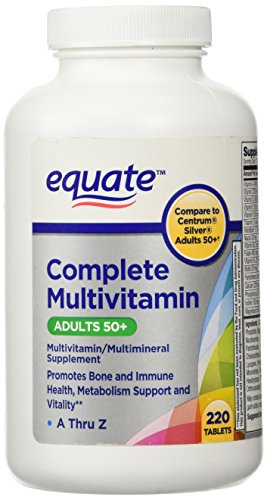
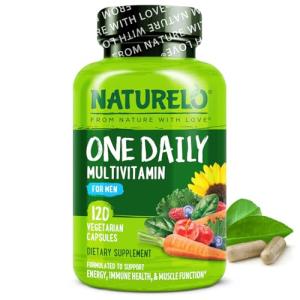
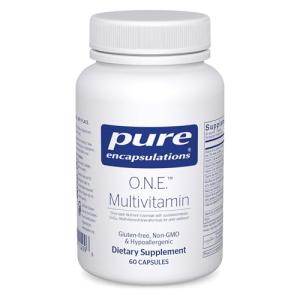
We carefully curate vegan-friendly supplements that offer good value and quality. Explore our Multivitamins & Minerals category for vegan multivitamin options that combine several key nutrients in one formula.For targeted B12 support, check the Vitamin B category.If you're focused on bone health, see our guide on How to Choose the Best Calcium Supplements or our earlier guide Vitamin D Supplements: Benefits, Dosage, and How to Choose the Right One.You may also find our guide on Best Multivitamins for Adults helpful as a simple starting point.Practical Tips for Vegans
The information in this buyer’s guide is for educational and informational purposes only. It is not intended to diagnose, treat, cure, or prevent any disease or medical condition. Supplements are not a substitute for a balanced diet or professional medical advice. Always consult with a qualified healthcare provider before starting any new supplement regimen, especially if you are pregnant, nursing, have a medical condition, or take prescription medications. Individual results may vary. Vegans should monitor nutrient levels with regular blood tests.Ready to Support Your Plant-Based Nutrition?
Browse our hand-curated selection of vegan-friendly vitamins and supplements today. We focus on linking you to the best current deals from trusted retailers so you can maintain a healthy, balanced vegan lifestyle with confidence.
Plant-based diets are rich in fiber, antioxidants, and many vitamins, but they naturally lack or have lower amounts of:
- Vitamin B12 (almost exclusively found in animal products)
- Vitamin D (limited in plant foods unless fortified)
- Iron (plant-based iron is less easily absorbed)
- Omega-3 fatty acids (especially DHA and EPA)
- Calcium (if dairy is completely avoided)
- Zinc and Iodine (can be lower in vegan diets)
- Vitamin B12
This is the most important supplement for almost all vegans. Since B12 is not reliably found in plant foods, supplementation is strongly recommended. - Vitamin D
Many vegans have low levels, especially during winter or with limited sun exposure. Vegan-friendly Vitamin D3 from lichen or D2 are good options. - Iron
Plant-based iron (non-heme) is harder for the body to absorb. Taking it with Vitamin C can significantly improve uptake. - Omega-3 Fatty Acids (Algal Oil)
Algal oil is the best vegan source of DHA and EPA — the active forms that support brain and heart health. - Calcium
If you avoid fortified plant milks and leafy greens, a calcium supplement may be helpful. It works best when combined with Vitamin D and Magnesium. - Zinc
Plant compounds (phytates) can reduce zinc absorption. Vegans may need slightly higher intake than non-vegans.
- Vitamin B12: 250–500 mcg daily or 2,000–2,500 mcg weekly
- Vitamin D: 1,000–2,000 IU daily (higher if deficient)
- Iron: 18 mg daily for women of childbearing age; 8 mg for men (get blood tested)
- Omega-3 (DHA + EPA): 250–500 mg combined daily from algal oil
- Calcium: 1,000–1,200 mg daily from food + supplements
- Zinc: 15–30 mg daily (take away from high-fiber meals)
- Look for clear “Vegan” or “Plant-Based” certification on the label.
- Choose products with third-party testing (USP, NSF, or ConsumerLab).
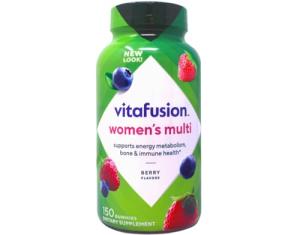
- Avoid unnecessary fillers, artificial colors, or high sugar content in gummies.
- Prefer reputable brands with transparent sourcing.
We carefully curate vegan-friendly supplements that offer good value and quality. Explore our Multivitamins & Minerals category for vegan multivitamin options that combine several key nutrients in one formula.For targeted B12 support, check the Vitamin B category.If you're focused on bone health, see our guide on How to Choose the Best Calcium Supplements or our earlier guide Vitamin D Supplements: Benefits, Dosage, and How to Choose the Right One.You may also find our guide on Best Multivitamins for Adults helpful as a simple starting point.Practical Tips for Vegans
- Eat a wide variety of colorful plant foods daily.
- Include fortified foods (plant milks, cereals, nutritional yeast) where possible.
- Combine iron-rich foods with Vitamin C sources (e.g., lentils with bell peppers).
- Consider a high-quality vegan multivitamin as a simple “safety net,” especially when starting out.
- Get regular blood work to catch any issues early.
The information in this buyer’s guide is for educational and informational purposes only. It is not intended to diagnose, treat, cure, or prevent any disease or medical condition. Supplements are not a substitute for a balanced diet or professional medical advice. Always consult with a qualified healthcare provider before starting any new supplement regimen, especially if you are pregnant, nursing, have a medical condition, or take prescription medications. Individual results may vary. Vegans should monitor nutrient levels with regular blood tests.Ready to Support Your Plant-Based Nutrition?
Browse our hand-curated selection of vegan-friendly vitamins and supplements today. We focus on linking you to the best current deals from trusted retailers so you can maintain a healthy, balanced vegan lifestyle with confidence.